
Winter garden seeds
Growing the best Winter garden seeds




















Overview
Winter Season Seeds – Grow a Cottage Garden Full of Gentle Color and Timeless Charm
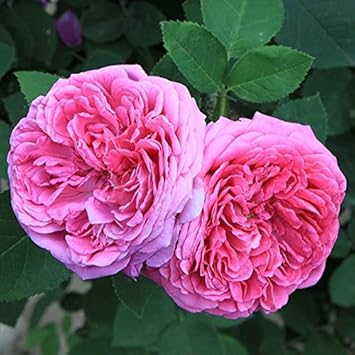
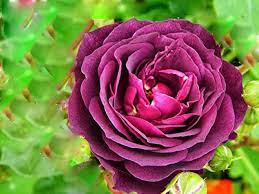
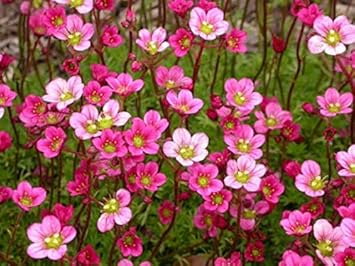
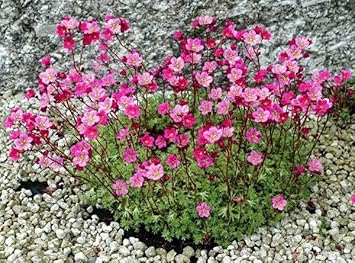
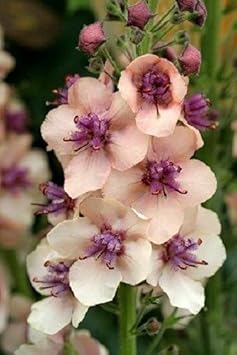
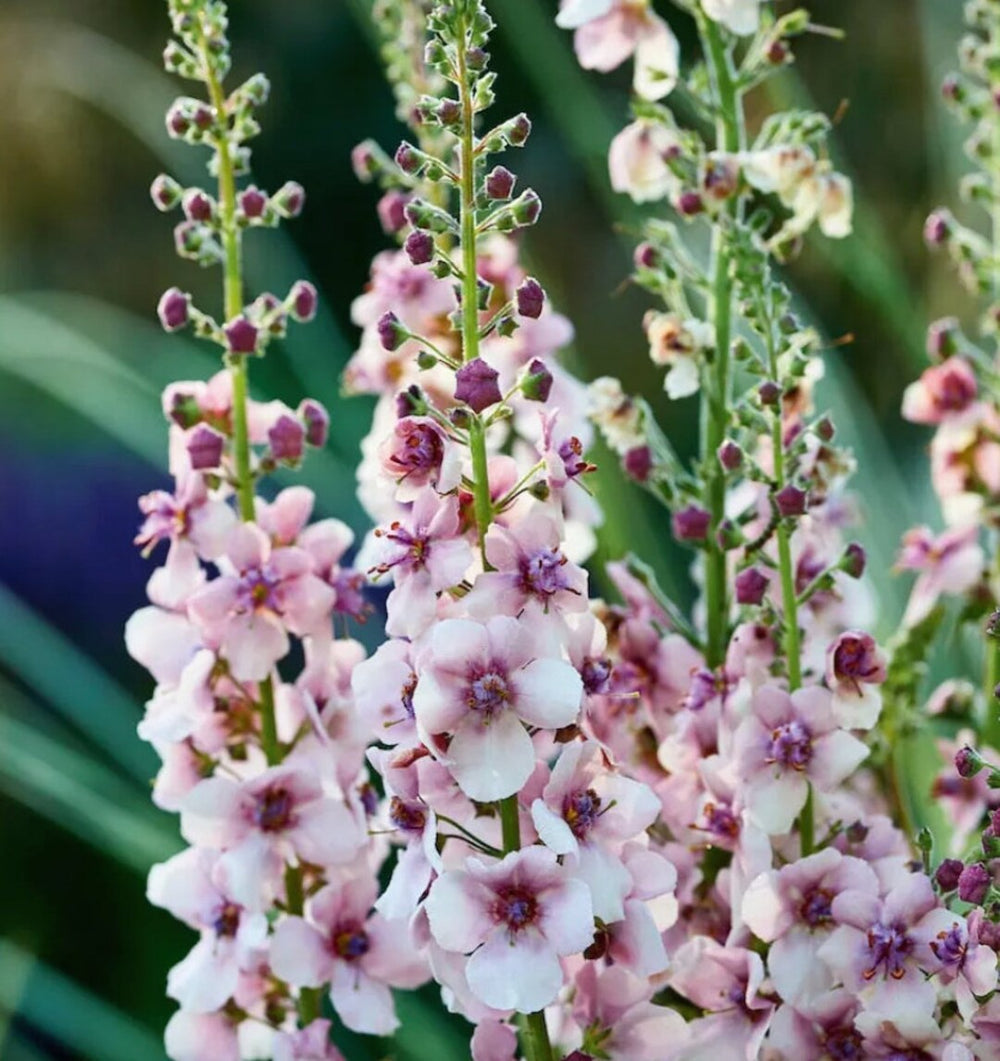
There is something quietly magical about a garden that awakens during the cool months. Winter season seeds invite soft beauty into your outdoor space, filling borders and pathways with graceful blooms in delicate shades of pink, lavender, lilac, and purple. Their natural charm recalls old-fashioned cottage gardens where flowers sway gently in the breeze, bees wander lazily from blossom to blossom, and every corner feels touched by a little romance. Whether scattered through a wildflower-style meadow or nestled among herbs and greenery, these blooms create a peaceful landscape that celebrates the simple joys of gardening.
At neeraseeds.com, we believe every home garden deserves a season of quiet wonder. Our carefully selected winter season seeds are chosen for gardeners who enjoy growing flowers from seed and creating relaxed, nature-inspired spaces. If you are searching for reliable flower seeds for planting or wondering where to buy flower seeds for a charming winter display, our collection offers an easy and enjoyable way to bring timeless floral beauty into your garden, one bloom at a time.
Browse Our Winter Season Seeds Varieties
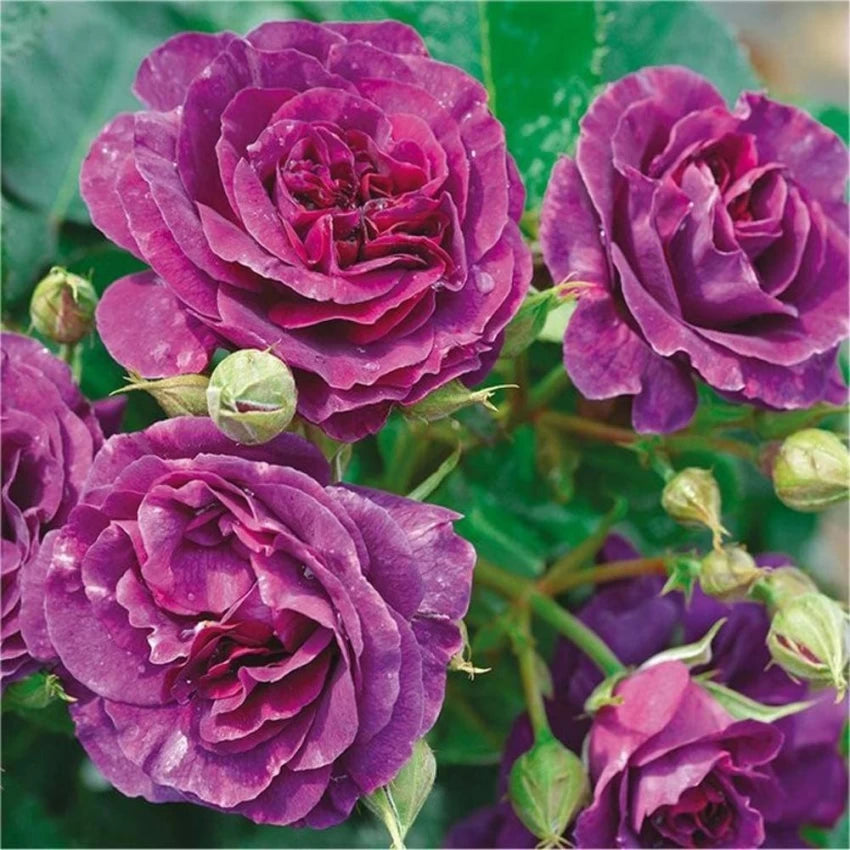
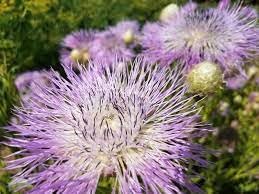
Our winter season seeds offer a delightful mix of colors and forms, making every garden feel unique and naturally abundant. Expect soft blush pinks, gentle lavender tones, rich purples, creamy whites, and occasional deeper shades that add depth and contrast throughout the garden. These flowers look beautiful planted together for a meadow-inspired effect or arranged along pathways, cottage borders, fences, and garden beds where they create an effortless tapestry of color. Their relaxed growth habit blends beautifully with ornamental grasses, herbs, and other seasonal flowers, giving your landscape a romantic, lived-in character that becomes more enchanting with every passing week.
Plant Care Insights
-
Sunlight: Plant in a location with full sun to light afternoon shade for healthy flowering.
-
Soil: Use well-drained, fertile soil enriched with organic compost before sowing.
-
Watering: Keep the soil lightly moist during germination, then water regularly without overwatering.
-
Companion Plants: Pair with herbs, ornamental grasses, and other cool-season flowers for a classic cottage garden look.
-
Maintenance: Remove faded blooms regularly to encourage continuous flowering and maintain a fresh, natural appearance throughout the season.
