
Sow Russian Sage Plant Seeds
Producing top harvest Sow Russian Sage Plant Seeds



Overview
Russian Sage Plant Seeds – Lavender-Blue Mist for a Timeless, Airy Cottage Garden
A Soft Cloud of Color That Drifts Through the Garden
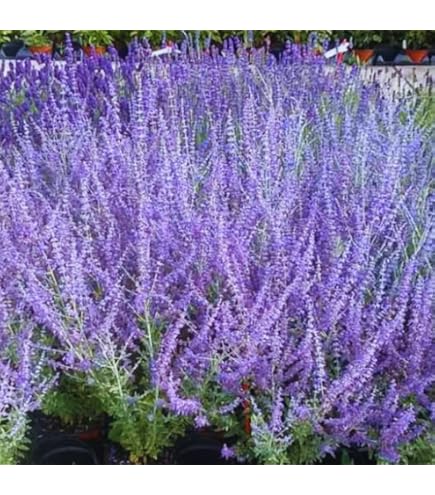
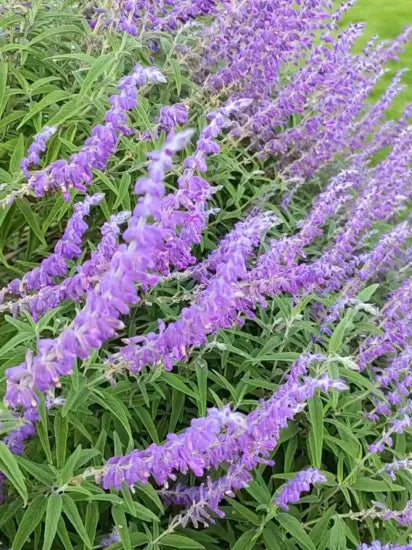
There is a quiet, almost dreamlike beauty in Russian Sage, where tall, airy stems rise into clouds of lavender-blue blooms above silvery, aromatic foliage. In the garden, it does not stand still—it moves gently with the breeze, creating a soft haze of color that feels light, open, and endlessly calming. Planted in sweeping drifts, it brings a sense of space and rhythm, like a wild meadow touched with refined cottage charm.
Its long, elegant flowering season makes it a steady presence through the warmer months, blending effortlessly with both bold and delicate companions. Russian Sage has a way of softening hard edges in the landscape, turning sunny borders and open beds into flowing, atmospheric scenes filled with texture and movement.
At neeraseeds.com, our Russian Sage Plant Seeds are selected for home gardeners who appreciate resilient plants with a romantic, naturalistic character. Growing them from seed is a rewarding journey that transforms simple spaces into layered gardens of silver tones, soft blues, and pollinator-friendly blooms.
Browse Our Russian Sage Plant Seeds Varieties
Russian Sage is admired for its graceful flower spikes in shades of lavender-blue, periwinkle, and soft violet, paired with finely cut foliage that carries a silvery, almost frosted look. Some varieties grow tall and open for dramatic landscape effects, while more compact forms suit smaller gardens, borders, and container-style planting schemes.
It is especially well suited to cottage gardens, drought-tolerant landscapes, meadow-inspired plantings, pollinator-friendly gardens, and mixed perennial borders. When combined with echinacea, rudbeckia, salvia, lavender, and ornamental grasses, Russian Sage creates a beautifully balanced palette of color, texture, and seasonal movement.
Plant Care Insights
-
Sunlight: Thrives in full sun for strong growth and abundant flowering.
-
Soil: Prefers well-drained, sandy or rocky soil.
-
Watering: Low water needs once established; highly drought tolerant.
-
Companions: Pairs beautifully with echinacea, rudbeckia, salvia, lavender, and grasses.
-
Maintenance: Cut back in early spring to encourage fresh growth and maintain shape; remove spent stems after flowering for a tidy appearance.
Frequently Asked Questions
1. When is the best time to sow flower seeds?
Most flower seeds are best sown in spring or early summer, depending on your climate.
Some hardy varieties can also be sown in autumn for earlier blooms.
2. Can flower seeds be grown in pots or containers?
Yes, many flower seeds grow beautifully in containers.
Just ensure good drainage and suitable potting soil.
3. How long do flower seeds take to germinate?
Germination time varies by variety, usually between 7–21 days.
Warmer temperatures and consistent moisture help improve results.
4. Do I need special soil for growing flower seeds?
Most flower seeds grow well in light, well-drained soil.
Adding organic compost improves growth and flowering.
